
How Classes Are Conducted
-
29 June, 2025
-
8:43 am
-
For many parents of children with additional needs, trying something new can feel overwhelming — especially when it involves large animals like horses.
At Horses Connect, we understand these worries deeply. That’s why our Equine-assisted Services (EAS) sessions are carefully structured to create a welcoming, safe, and supportive environment for every child and family member from the moment you arrive to the moment you leave.
In this article, we’ll walk you step-by-step through how a typical session works — so you know exactly what to expect.
Warm Welcome and Getting Settled
Every EAS session begins long before your child meets a horse. When families arrive, our facilitators greet you warmly and take time to answer questions. This first stage helps reduce anxiety — both for children and for parents watching from the sidelines.
We take a few minutes to get everyone comfortable: putting on helmets and other safety gear, explaining simple ground rules, and introducing the horse that will work with your child that day.
Children often meet their horse quietly at first — simply watching, listening, and learning about the horse’s personality. This slow introduction helps build trust and curiosity, not fear.
Meet the Horses: Calm, Kind, and Carefully Chosen
All horses at Horses Connect are specially selected and trained for their calm temperaments and natural ability to connect with people. Each one brings something unique to a session, and all are experienced members of our EAS team.
For example, O’Malley, our gentle Welsh pony, is small (about 12hh) but big-hearted. He’s incredibly intuitive and often senses when a child is nervous or excited — slowing down, stepping closer, or pausing to offer quiet reassurance. O’Malley has helped countless little riders gain confidence and feel safe.
Step-by-Step Session Structure
Every session is built around three pillars: structure, safety, and support.
- Greeting and ground connection
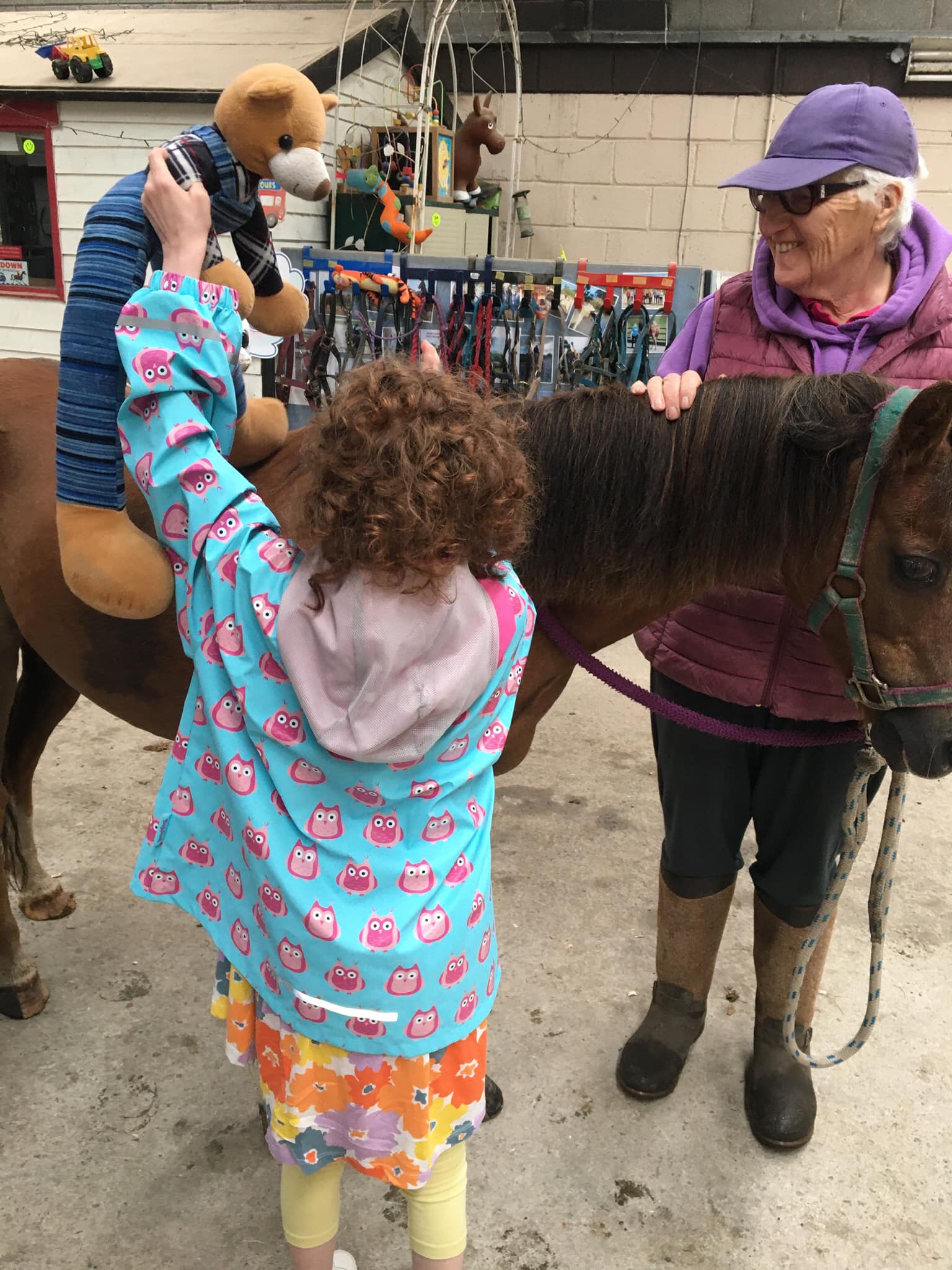
Children start by brushing, leading, or simply standing beside the horse. These moments teach boundaries, empathy, and body awareness — all without speaking a single word. - Movement and engagement
Depending on the child’s needs and confidence, we may include gentle riding or more ground-based exercises like obstacle courses, leading games, or mindful walking with the horse. - Reflection and feedback
After each activity, there’s time to pause and notice what happened: How did the child feel? How did the horse respond? This reflection helps children connect feelings, actions, and outcomes — building emotional intelligence over time.
While sessions follow a structure, they remain flexible. If a child feels overwhelmed, we slow down. If they feel confident, we add a new activity. The goal isn’t “doing it right,” but supporting each child’s growth at their own pace.
Safety First — Always
Parents often ask: “Is it safe for my child?”
At Horses Connect, safety is at the heart of everything we do:
- Our students and other helpers are well -trained.
- Our coaches stay within arm’s reach, ready to step in gently if needed
- Horses are chosen for reliability and undergo ongoing training
- Ridden sessions are all one-to-one so that every rider gets the maximum benefit from their time with us
- Group sizes for groundwork are kept small so every person receives close attention
- The environment is controlled — no loud music, sudden movements, or busy crowds
This layered approach helps children feel secure, which is essential for learning and connection to happen.
Support for Every Person’s Unique Needs
Equine-assisted Services aren’t one-size-fits-all. Before the first session, we ask parents/carers about preferences, sensory needs, communication style, and goals. This helps us plan activities that feel accessible and meaningful.
For some, touching a horse for the first time is a huge step. For others, building the courage to guide a horse around an arena can be life-changing. We celebrate each step equally, because every child’s journey is unique.
Beyond the Arena: What Children Learn
While the arena is our classroom, the lessons go far beyond horses:
- Self-regulation: Breathing deeply to help the horse stay calm
- Confidence: Discovering “I can do this” moments
- Non-verbal communication: Using body language to lead
- Empathy and respect: Learning to listen to another living being
- Patience: Understanding progress takes time
Parents often tell us they see these changes at home, too: calmer evenings, more eye contact, new words, or moments of unexpected bravery.
Reflection and Feedback
At the end of each session, there’s time for feedback: what went well, what felt hard, and what to try next time. This helps children and parents see progress over weeks and months — even when it happens in small, meaningful steps.
📩 Want to Learn More?
We know trying something new can be a big decision, especially for families of children with additional needs. That’s why we invite you to visit, meet our team, and see the horses in person.
Contact us today to ask questions or arrange a visit.
Or read more in our Therapy section about how Equine-assisted Services might support your child’s journey.
At Horses Connect, every class begins and ends with kindness, patience, and a shared belief: small moments with horses can lead to big changes over time.